
Sleep Apnea Treatment
Better sleep without the CPAP mask
If you've tried a CPAP and couldn't stick with it, you're not alone. A custom oral appliance from Dr. Croft is a quiet, comfortable alternative that fits in your pocket.
What is obstructive sleep apnea?
Obstructive sleep apnea happens when the soft tissues in your throat relax during sleep and block your airway. Your breathing stops and starts over and over through the night, often without you knowing it. Left untreated, it's linked to high blood pressure, heart problems, daytime fatigue and more.
Common signs
- Loud, frequent snoring
- Gasping or choking during sleep
- Waking up tired no matter how long you slept
- Morning headaches or a dry mouth
- Trouble focusing or staying awake during the day
- High blood pressure or acid reflux
How an oral appliance helps
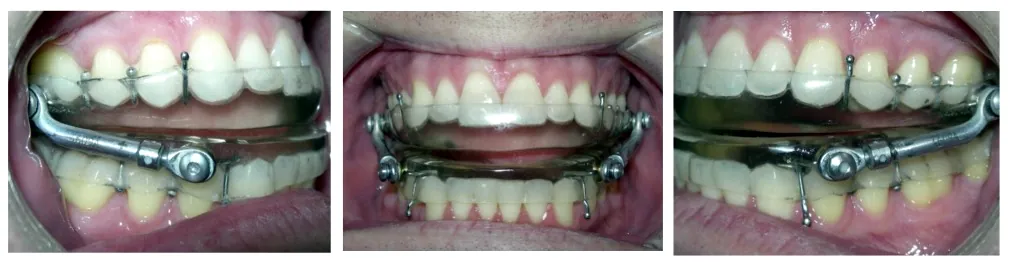
An oral appliance is a custom-fitted device you wear while you sleep. It gently holds your lower jaw slightly forward, which helps keep your airway open. No mask, no hose, no machine noise, and it packs easily for travel.
What it looks like
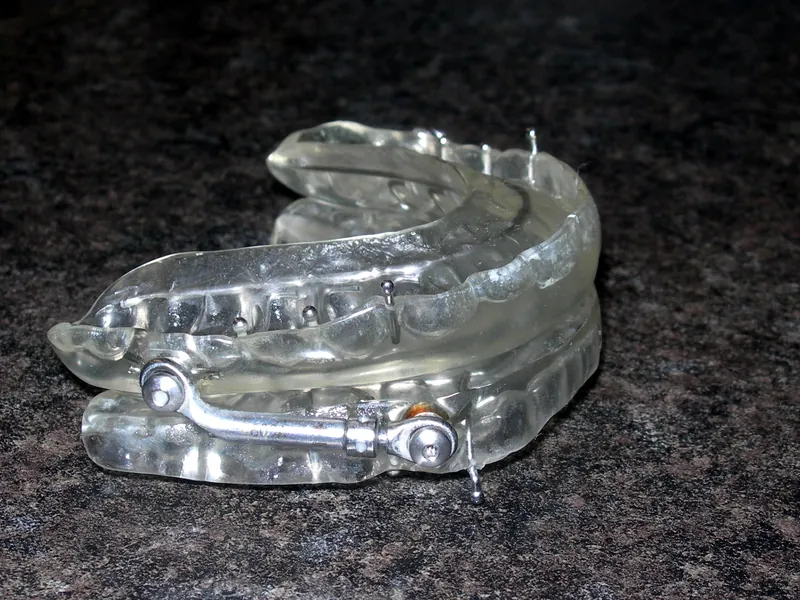
Each appliance is custom-made from scans of your teeth: two thin, clear trays connected by small adjustable arms. Dr. Croft fine-tunes how far forward it holds your jaw over a few follow-up visits, until you're sleeping well and it feels comfortable.
Wear dentures? You may still be a candidate
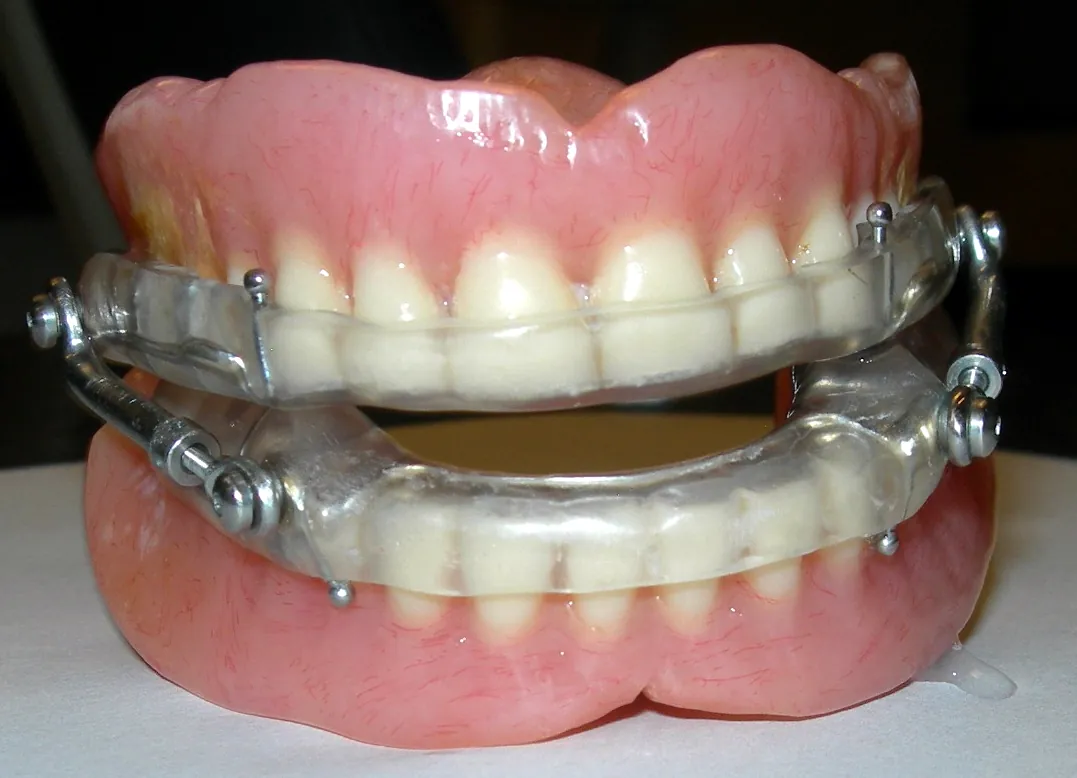
A lot of people who wear full dentures assume an oral appliance is off the table. Not necessarily. Dr. Croft can design a sleep appliance that works with dentures, so you may still be able to skip the CPAP.
We can see your airway in 3D
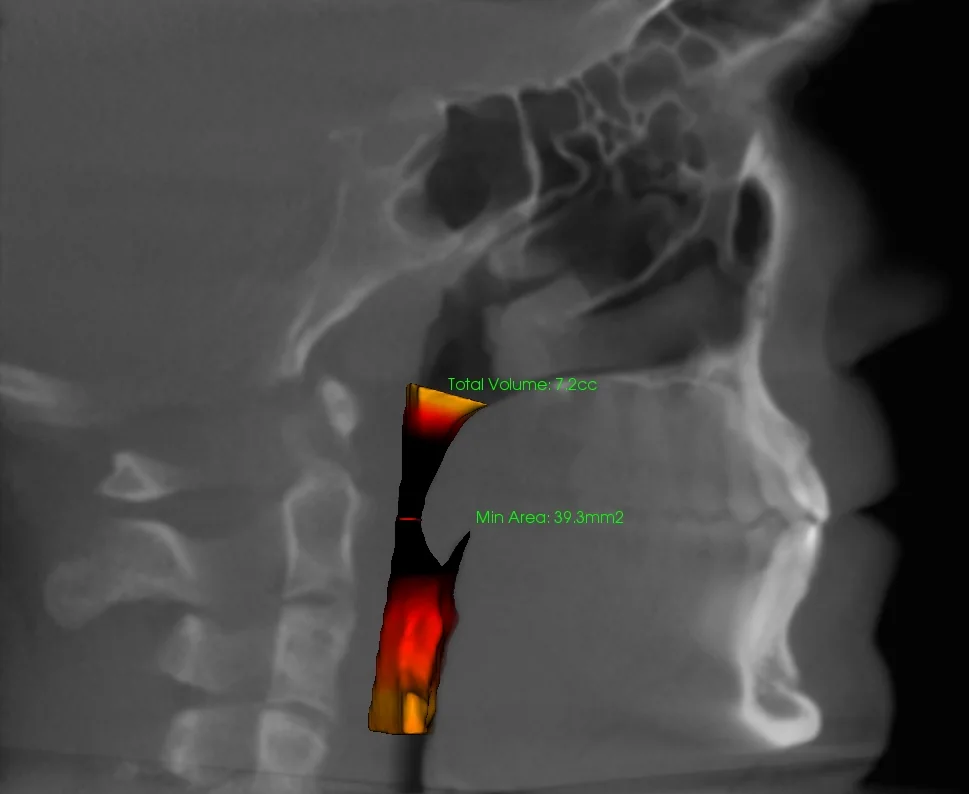
Our iCAT 3D scanner lets Dr. Croft look at the size and shape of your airway, and see exactly where it narrows. That helps him plan your appliance and show you what's going on, instead of just telling you.
We work with your doctor
Dr. Croft is a Diplomate of the Academy of Clinical Sleep Disorders Disciplines. Sleep apnea is a medical condition, so he works hand in hand with your physician. After you've been diagnosed, he'll take digital scans, design your appliance, fit it, and fine-tune it over follow-up visits. Your physician may order a follow-up sleep study to confirm it's working.
Get a head start
Download our Sleep Screening Questionnaire and fill it out before your first visit. It helps Dr. Croft understand your sleep history and makes your consultation go faster.
Already straightening your teeth?
Dr. Croft can plan sleep apnea treatment alongside Invisalign. Learn about combination therapy.
Sleep apnea questions
Do I need a sleep study first?
Yes. Sleep apnea has to be diagnosed by a physician, usually through a sleep study. If you haven't had one, we can help point you in the right direction.
Is an oral appliance as effective as CPAP?
For many people with mild to moderate sleep apnea, and for people who can't tolerate CPAP, an oral appliance is a well-established treatment option. Your physician and Dr. Croft will help decide what's right for you.
Is sleep apnea treatment covered by insurance?
Sleep apnea is covered under medical insurance, not dental. Before you start, we'll check your benefits and walk you through your copay, coinsurance and deductible, so there are no surprises.
How is your office different from others that offer sleep appliances?
We're contracted as an in-network provider with many medical insurance companies. A lot of offices that make oral appliances aren't, which can leave patients with much higher out-of-pocket costs.
How do I pay my bill or check my balance?
Sleep apnea patients can log in to our online billing portal to make payments and see balances, insurance payments and adjustments. Can't log in? Call our billing office at (623) 233-4585 or email [email protected] and we'll send you an invitation.
What does the appliance feel like?
It fits a lot like a sports mouthguard or retainer. Most people get used to it within a few nights.